
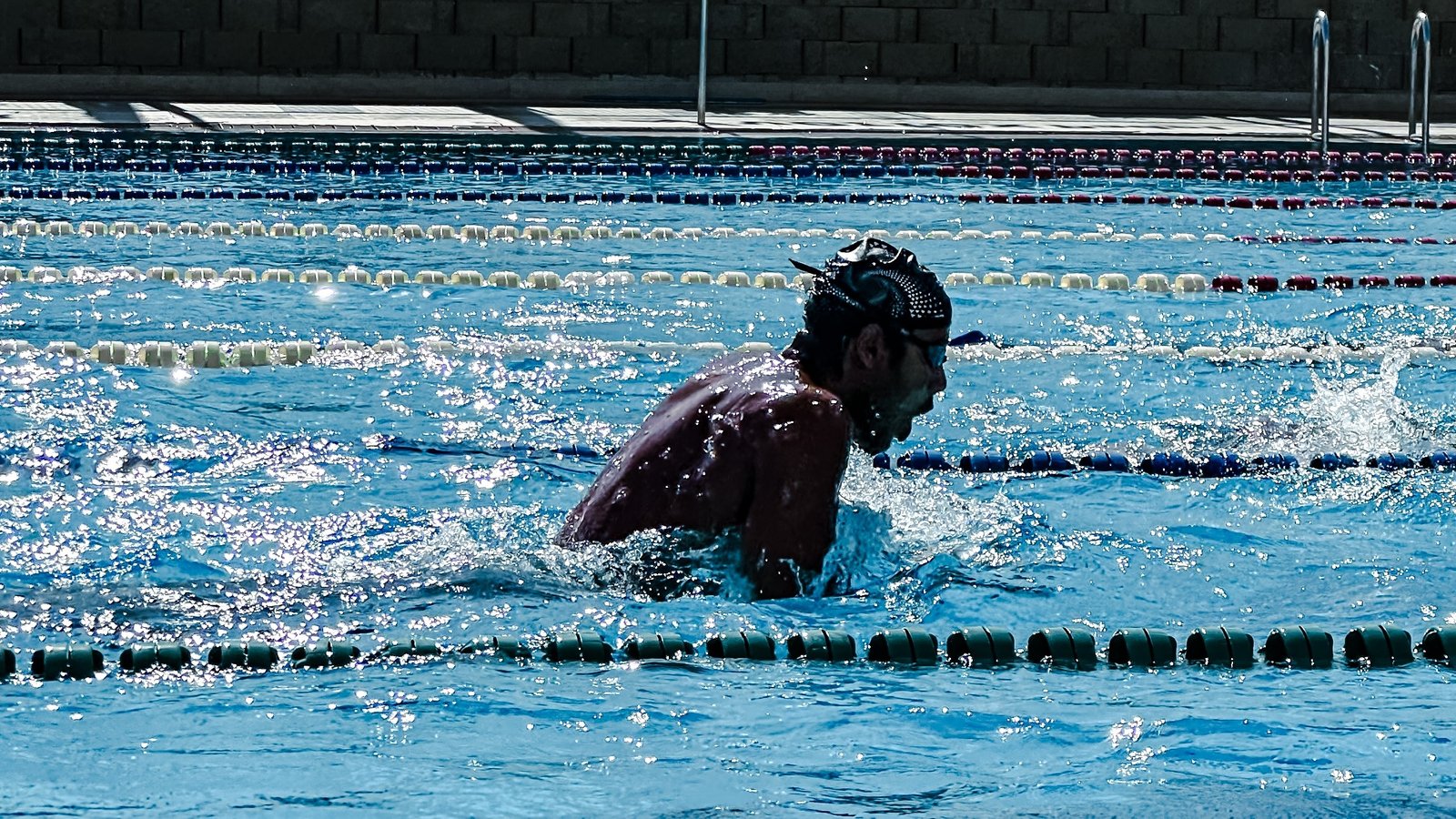
Introduction – One Lane, Many Athletes
At first glance, swimming looks like a simple, individual sport. One swimmer. One lane. One clock.
But beneath the surface, no two swimmers are ever truly the same.
Even when athletes share the same age group, training volume, and stroke specialty, their physical structure, motor learning speed, psychological makeup, and response to stress can be radically different. Treating swimming as a “one, size, fits, all” discipline is one of the most common reasons progress stalls , especially beyond the beginner stages.
At Liquid Lane, we approach swimming as an individual performance system, not just a group activity. Understanding who the swimmer is , physically and mentally , is just as important as what the swimmer is doing in the water.
Physical Individuality – Bodies Don’t Adapt the Same Way
Every swimmer brings a unique physical profile into the pool:
- Limb length and leverage
- Joint mobility and natural range of motion
- Muscle fiber dominance (endurance, biased vs power, biased)
- Coordination speed and motor control
- Injury history and structural limitations
Two swimmers may perform the same set , but the training effect will not be the same.
For example:
- A swimmer with excellent shoulder mobility but weak scapular stability may need controlled pull work, not more volume.
- Another swimmer with strong legs but poor hip timing may struggle with efficiency, even at lower speeds.
A coach who understands these differences doesn’t just prescribe distance , they adjust focus:
- Stroke count targets
- Drill selection
- Rest intervals
- Tool usage (or avoidance)
Progress accelerates when sessions respect the swimmer’s structure instead of fighting it.
Mental Individuality – The Invisible Performance Driver
Swimming is one of the most mentally demanding sports , yet mental differences are often overlooked.
Some swimmers:
- Thrive on repetition and predictability
- Need constant variation to stay engaged
- Respond well to pressure and racing
- Shut down when over, stimulated
Others may struggle with:
- Fear of failure
- Comparison anxiety
- Loss of confidence after a bad race
- Overthinking technique mid, swim
Ignoring these factors doesn’t just slow progress , it can push swimmers away from the sport entirely.
Effective coaching means recognizing:
- How a swimmer handles feedback
- When to push, and when to protect confidence
- How to frame goals in a way that motivates rather than overwhelms
Mental awareness turns training into development , not survival.
Individual Focus Within Group Sessions
A common misconception is that individualization requires one, on, one coaching.
In reality, strong programs individualize within group structures.
This can look like:
- Same main set, different technical cues
- Same distance, different intensity intent
- Same drill, different execution focus
- Personalized checkpoints inside a shared session
For example, during the same freestyle set:
- One swimmer works on catch timing
- Another on breathing control
- Another on stroke length under fatigue
Everyone swims together , but everyone progresses differently.
Measuring Progress Beyond the Clock
Time matters. But it’s not the only marker of progress.
Individualized coaching also tracks:
- Stroke efficiency improvements
- Consistency under fatigue
- Technical stability at higher speeds
- Emotional response to hard sets
- Ability to self, correct without instruction
Sometimes the biggest breakthroughs happen before the stopwatch reflects them.
Recognizing these moments keeps swimmers engaged, confident, and committed to long, term development.
The Coach’s Role – From Instructor to Architect
At higher levels, a coach’s job goes far beyond giving sets.
A great coach:
- Observes patterns, not just mistakes
- Connects physical limitations with mental responses
- Designs sessions with intent, not habit
- Builds trust through understanding, not authority
When swimmers feel seen , not compared , effort increases naturally.
When sessions feel purposeful, motivation follows.
Final Thoughts – Progress Starts with Understanding
Swimming may be raced alone , but it should never be coached blindly.
True development happens when training respects the individual behind the goggles. Physical traits, mental tendencies, and learning styles all shape how progress unfolds.
At Liquid Lane, we believe that understanding the swimmer is the foundation of every successful session. When coaching adapts to the athlete , not the other way around , progress becomes inevitable.
Swimming is an individual performance. No two swimmers adapt, move, or progress in the same way, even when they share the same age, training volume, or environment.