
Introduction – One Sport, Four Different Languages
Swimming is often spoken about as a single sport, but in reality, it is made up of four very distinct disciplines. Each stroke has its own rhythm, coordination pattern, physical demands, and technical challenges.
Understanding the differences between the four strokes is essential , not just for swimmers, but for parents, coaches, and anyone involved in long-term athletic development. Each stroke develops the body and mind in a unique way, and together they create one of the most complete athletic foundations in sport.
At Liquid Lane, we don’t teach strokes as isolated techniques. We teach them as movement systems, each with a specific purpose.
Freestyle – Efficiency and Endurance
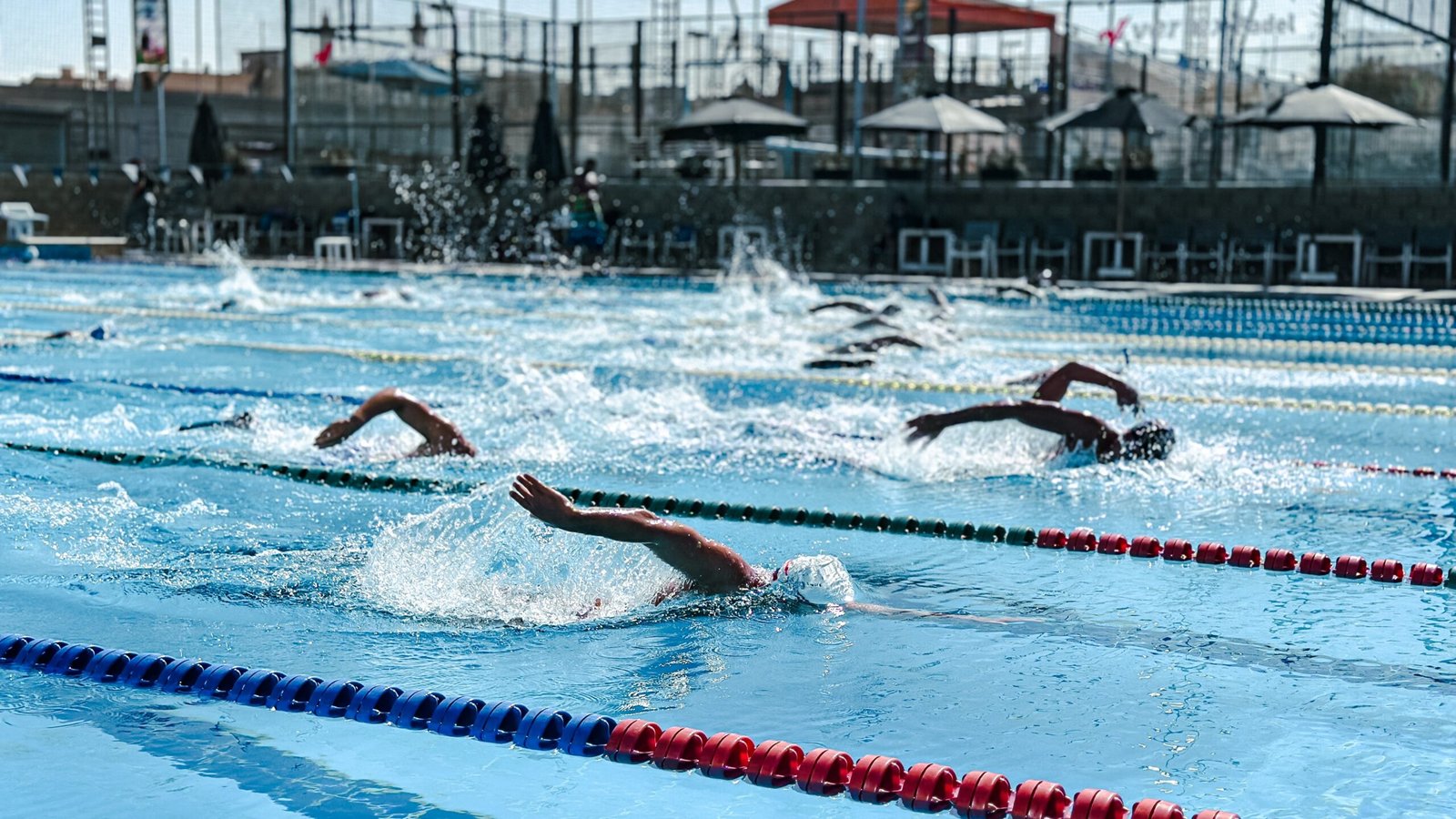
Freestyle is the fastest and most commonly used stroke in swimming. It is the foundation of aerobic endurance and race performance across almost all distances.
What defines freestyle:
- Alternating arm action with continuous propulsion
- Strong body alignment and rotation
- Rhythmic breathing under fatigue
- Emphasis on efficiency rather than raw power
Freestyle teaches swimmers how to manage energy, maintain form over long distances, and stay relaxed under sustained effort. Small technical errors , such as poor catch position or mistimed breathing , quickly increase fatigue, making freestyle a powerful teacher of efficiency.
Because of this, freestyle often becomes the primary stroke for endurance development and pacing awareness.
Backstroke – Control, Balance, and Stability
Backstroke shares many similarities with freestyle, but introduces an entirely different sensory challenge: swimming without visual reference.
What makes backstroke unique:
- Supine body position requiring precise balance
- Continuous rotation without visual alignment
- Strong emphasis on shoulder mobility and timing
- Reliance on spatial awareness and rhythm
Backstroke develops postural strength, shoulder stability, and coordination in ways no other stroke can. It also demands trust , in body position, timing, and stroke rhythm , making it a mentally grounding stroke.
For many swimmers, backstroke improves overall freestyle mechanics by reinforcing rotation, alignment, and controlled arm recovery.
Breaststroke – Timing and Precision
Breaststroke is often misunderstood as a “slower” or “easier” stroke. In reality, it is the most technically demanding of all four.
What defines breaststroke:
- Symmetrical arm and leg action
- Precise timing between pull, breath, kick, and glide
- High demand on hip mobility and coordination
- Strict technical rules in competitive swimming
Unlike continuous strokes, breaststroke operates in cycles. Efficiency depends not on speed, but on how well each phase connects to the next.
Breaststroke teaches patience, body awareness, and precision. Poor timing immediately disrupts momentum, making it an excellent stroke for developing technical discipline and control.
Butterfly – Power and Rhythm
Butterfly is the most physically demanding stroke, but also one of the most expressive.
What makes butterfly unique:
- Simultaneous arm movement
- Undulating body motion driven by the core
- High coordination between kick, pull, and breath
- Strong reliance on rhythm rather than force
Despite its reputation, butterfly is not about brute strength. When swum correctly, it becomes a fluid, rhythmic motion powered by timing and core engagement.
Butterfly develops explosive strength, coordination, and confidence. It also reinforces the importance of efficiency under high effort , a skill that translates directly to racing and high-intensity training.
Why Learning All Four Strokes Matters
Each stroke develops different physical and mental qualities:
- Freestyle builds endurance and efficiency
- Backstroke enhances balance and postural control
- Breaststroke sharpens timing and coordination
- Butterfly develops power, rhythm, and resilience
When swimmers train all four, they become more adaptable, more balanced, and less prone to overuse injuries. They also gain a deeper understanding of how their bodies move through water.
This is why early multi-stroke development is so critical , it creates complete swimmers, not just fast ones.
The Coach’s Perspective – Stroke Integration, Not Specialization Too Early
Effective coaching does not rush stroke specialization.
Instead, it focuses on:
- Building strong fundamentals across all strokes
- Allowing natural strengths to emerge over time
- Using each stroke to reinforce others
- Developing versatility before performance focus
This approach supports both long-term success and lifelong enjoyment of the sport.
Final Thoughts – Four Strokes, One Complete Athlete
The beauty of swimming lies in its diversity. Each stroke challenges the swimmer in a different way, shaping the body and mind from multiple angles.
When taught with intention, the four strokes work together to build strong, confident, and adaptable athletes , in and out of the water.
At Liquid Lane, we believe that understanding these differences is the key to meaningful progression and sustainable performance.